

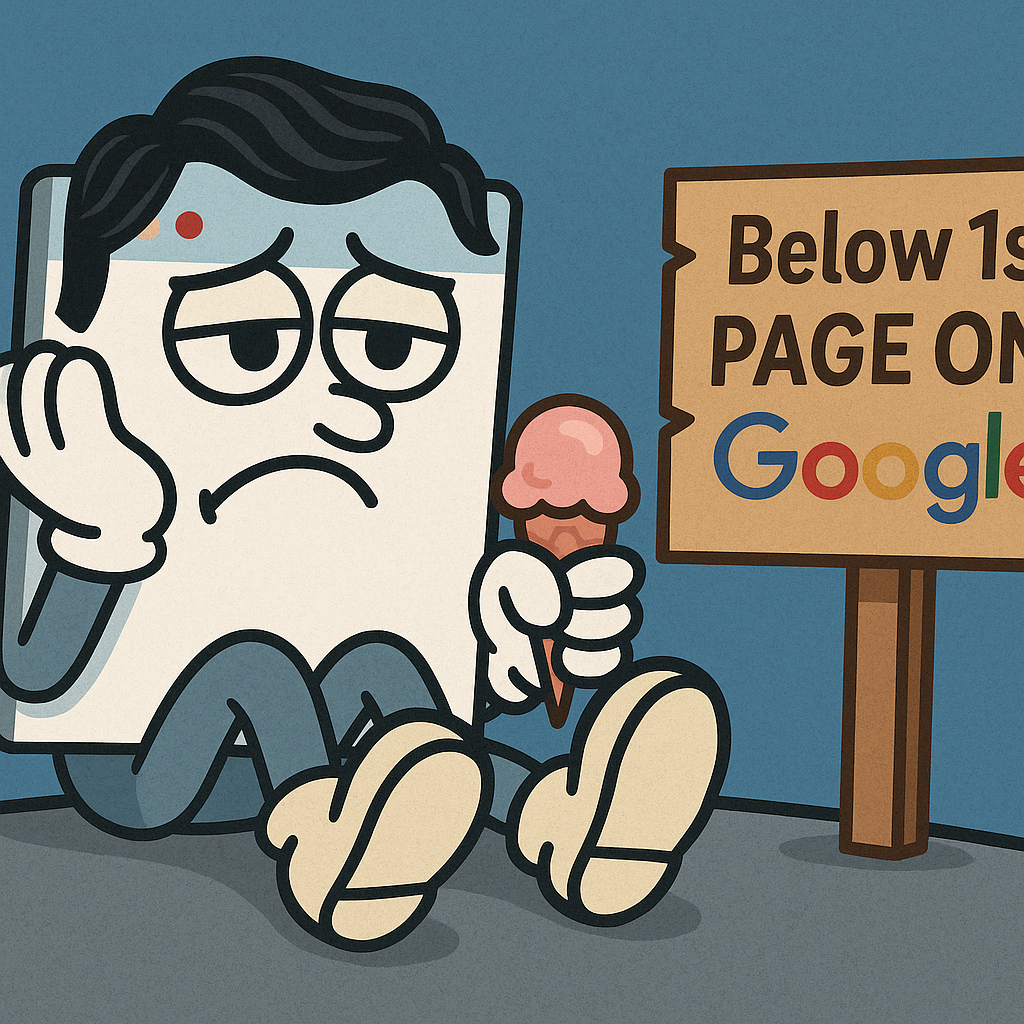

Your site looks crisp. The visuals pop. But appear at the top of search results? Crickets. That gap—between visual appeal and search visibility—is where many site owners find themselves. A beautiful site doesn’t guarantee visibility in search engines. Google’s algorithms don’t “see” design the way humans do. They rely on signals like indexing, speed, content relevance, and domain authority.
In this article, we’ll deconstruct why a stunning website can still struggle to rank:
- The hidden technical issues undermining indexability
- The content and context mistakes designers often miss
- The authority gaps that visuals can’t fix
- How to bridge the SEO–design divide with go-to tactics
By the end, you’ll understand how to marry aesthetics with SEO fundamentals—so your site not only looks great, but shows up where it matters.
What “Good Design” Actually Means—and What It Doesn’t

When you hear “good design,” you probably think clean layout, striking visuals, intuitive navigation. That’s part of it—but from an SEO perspective, design is just the surface. What Google cares about lies beneath:
- Crawlability & Indexability – Google’s bots need to access and understand every page. Hidden content behind JavaScript menus or blocked by a misconfigured robots.txt file prevents indexing.
- Mobile-First UX – Google primarily uses the mobile version of a site for ranking. If your flashy desktop design doesn’t render cleanly on mobile, rankings suffer.
- Performance Metrics – Large images, heavy animations, and bloated code slow page load times—leading to Core Web Vitals failures, which impact rankings.
- Semantic Signals – SEO relies on textual context (titles, headings, alt tags) to understand a page’s topic. Overreliance on images or design-focused elements can obscure those signals.
So while design draws in users, it’s the invisible infrastructure that invites Google in. Without this, your website may look impressive—but search engines won’t list it.
Core SEO Foundations You’re Probably Missing
Technical SEO Issues
Indexing errors are common: sites may accidentally block crawlers via noindex tags or a misconfigured robots.txt. You can’t rank if your page isn’t in Google’s index. Mobile responsiveness is another critical factor. If a mobile bot can’t properly load your site, Google won’t trust it.
Site Speed & Performance
Core Web Vitals are key. These metrics evaluate server response time, visual stability, and interactivity. Compress images, lazy-load off-screen assets, and minimize scripts and CSS to boost speed and meet ranking benchmarks.
On-Page Elements & Schema
Title tags, meta descriptions, and headings should be unique, optimized, and reflective of content. Missing or duplicate tags confuse search engines. Also, structured data and schema help Google understand and feature your content.
Internal Linking & Architecture
Strong internal linking shows Google which pages are most important. Orphan pages (those not linked to anywhere) can become invisible to crawlers. A logical site structure with proper hierarchy is crucial.
The Content Disconnect

A visually stunning site can easily mask shallow content. A homepage with a sleek layout but vague messaging won’t rank well. Google prioritizes depth and relevance.
- Search intent alignment: Your content must match what users are looking for. Misalignment is a common SEO-killer.
- Thin content: A one-page site or minimal copy doesn’t compete with in-depth, informative competitors.
- Semantic richness: Using LSI keywords and semantically related terms helps contextualize your content.
- Content freshness: Regular updates maintain relevance and rankings.
Design captures attention, but it’s meaningful content that keeps both users and search engines engaged.
Backlinks & Authority Gaps
Even the most beautiful website needs authority to rank. Google views backlinks as trust signals. A lack of inbound links signals that your site isn’t valuable.
Common Mistakes:
- No link-building strategy
- Not producing shareable content
- Weak internal linking structure
Solutions:
- Create original research, comprehensive guides, and useful tools
- Leverage guest posting, digital PR, and influencer outreach
- Encourage natural backlinks through testimonials or partnerships
Without backlinks, your site’s authority stays low, regardless of its design quality.
SEO vs. Designer Collaboration
A major issue lies in the handoff between designers and SEOs. Many designs look great visually but fail in structure and accessibility.
Key Conflicts:
- JavaScript-rendered content that crawlers can’t access
- Lazy-loading that hides critical text
- Missing alt tags for images
- Ignoring SEO during the wireframing phase
Solutions:
- Integrate SEO into the design process
- Use progressive enhancement techniques
- Educate design teams on SEO basics
The best-performing websites are those where SEO and design teams collaborate from the start.
Monitoring, Testing & Improving
A set-it-and-forget-it mindset is a big reason many beautiful websites don’t perform. SEO is not one-and-done. Ongoing monitoring is essential.
Must-Have Tools:
- Google Search Console: For indexing, performance, and Core Web Vitals
- PageSpeed Insights: For performance testing
- Screaming Frog: For crawling and audit diagnostics
- Ahrefs or SEMrush: For backlink and keyword monitoring
Track metrics like:
- Organic impressions and clicks
- Bounce rate and time on page
- Conversion rates across design elements
Regular audits help you uncover and resolve bottlenecks before they impact rankings.
Frequently Asked Questions Around Good Website Design…
Why doesn’t my beautifully designed website show up in Google search?
Because it’s missing SEO fundamentals like indexability, crawlability, and authority. Google prioritizes structure and content over visual design.
What’s more important—SEO or design?
SEO brings people in; design keeps them there. It’s not either-or. You need both.
Can I use animations or sliders and still rank well?
Yes, but they must be optimized. Use compressed media, lazy-load appropriately, and test for speed.
How long does it take for a new site to rank?
Typically 3–6 months, depending on competition and content strategy. The “Google sandbox” period is real for new domains.
How do I check if my website has SEO issues?
Run an SEO audit using tools like Google Search Console, Screaming Frog, or Ahrefs. Look for errors, slow load times, and missing tags.
Can SEO and design coexist harmoniously?
Absolutely. Collaboration is key. Modern tools and CMS plugins make integration easier than ever.
Is content more important than keywords now?
Absolutely. Collaboration is key. Modern tools and CMS plugins make integration easier than ever.
Conclusion & Next Steps
Design is your digital first impression, but SEO is your visibility engine. A site can look great and still be virtually invisible to search engines if it lacks technical structure, content depth, and authority signals.
If your website isn’t ranking, start with an audit. Fix crawl issues. Improve page speed. Develop content aligned with search intent. Build backlinks. And most importantly, bridge the gap between your SEO team and your design team.
Want a head start? Download our free SEO audit checklist or contact our team for a strategy session. Make your website not just beautiful, but truly findable.