

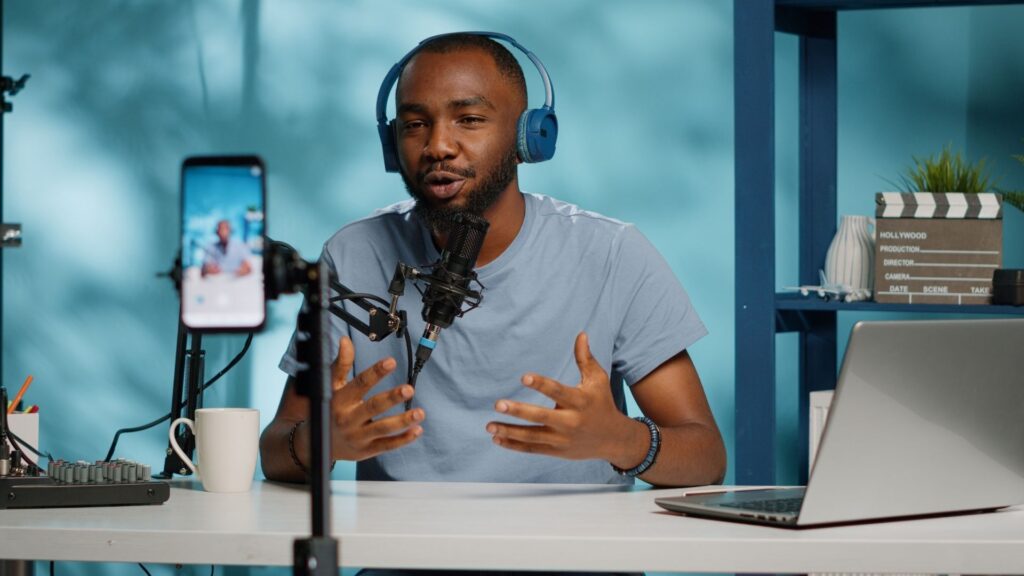
I. Introduction: The Evolution of Social Media Monetization
Social media isn’t just for scrolling anymore—it’s become a dynamic playground for building careers and launching businesses. In 2025, the concept of monetizing your online presence has evolved into a serious, full-time gig for many. From influencers raking in five figures a month to niche creators carving out income through side hustles, the opportunities have never been more diverse.
Why the boom? The rise of the creator economy and increasingly sophisticated platform tools have turned content into currency. Whether you’re sharing fitness tips, reviewing gadgets, or documenting your travel adventures, there’s a pathway to profit. Platforms like TikTok, YouTube, and Instagram have integrated direct monetization options, while new players and tools provide even more revenue streams.
Importantly, it’s no longer about having millions of followers. Micro and nano-influencers are thriving by cultivating tight-knit, engaged communities. Take Sarah, a mom of two who reviews sustainable baby products. With just 12,000 followers, she pulls in over $3,000 a month through affiliate links and brand collaborations. Or Jamal, a part-time musician who earns from Patreon and livestream tips.
In this guide, we’ll explore exactly how to monetize your social media presence in 2025—what’s working, where to focus, and how you can start (or scale) today.
II. Understanding the Creator Economy in 2025

The creator economy has exploded, reshaping how people make money online. Defined as an ecosystem of independent creators leveraging digital platforms to earn a living, it includes influencers, podcasters, writers, artists, and even meme-makers. In 2025, it’s projected to be worth over $500 billion, with more than 50 million people identifying as content creators globally.
What’s changed? For starters, platforms now compete to attract and retain talent. TikTok launched new e-commerce tools, YouTube enhanced monetization for Shorts, and Instagram rolled out higher payout referral programs. Creators are no longer just entertainers; they’re entrepreneurs.
Another shift: authenticity trumps virality. Brands are investing in creators who have trust with their followers, even if their audience is smaller. That’s great news for people who want to start but feel overwhelmed by follower counts.
Consider Amy, a home baker who shares gluten-free recipes. She started posting during the pandemic and slowly built a following. Today, she earns through sponsored posts, sells her own e-cookbooks, and offers virtual baking classes. All from her kitchen.
The lesson? You don’t need fame. You need focus, consistency, and a willingness to engage. The creator economy rewards niche knowledge and personal connection more than ever.
III. Platform-Specific Monetization Strategies
Each platform offers unique monetization tools. Here’s a breakdown of what’s hot in 2025:
Instagram:
- Instagram’s referral programs now pay creators up to $20,000 for driving new sign-ups.
- Reels bonuses, brand partnerships, affiliate marketing, and in-app shopping are key revenue streams.
- Tip: Use Linktree or Koji to consolidate your monetized links.
TikTok:
- TikTok Shop is booming. Creators can showcase products directly in videos and live streams.
- In the U.S., TikTok also offers local services integration, allowing creators to link to bookings or services.
- Build engagement through trends and smart use of hashtags.
YouTube:
- YouTube Shorts now offer ad revenue sharing, closing the gap with long-form content.
- Monetization includes Super Chats, channel memberships, and merch shelves.
- Optimize your channel layout and create engaging thumbnails to boost watch time.
Snapchat:
- With its unified monetization program, creators can earn from Stories and Spotlight.
- It favors vertical content and quick storytelling.
- Target Gen Z audiences with relatable, raw content.
Emerging Platforms:
- Bluesky supports monetization via subscriptions and direct supporter tips.
- Substack and Patreon remain vital for writers and educators who want recurring income.
Success example: Kevin, a self-taught financial coach, runs a YouTube channel and a Substack newsletter. He combines ad revenue, affiliate deals, and $10/month subscriptions from 2,000 paying members. That’s $20,000/month from sharing what he knows.
IV. Diversifying Income Streams Beyond Platforms
Platform earnings are great, but they can be inconsistent. That’s why successful creators diversify. Here’s how:
Share products you love using affiliate links.
Affiliate Marketing
- Use tools like LTK (LikeToKnow.it) or Amazon Associates.
Example: A travel vlogger can earn commissions on gear reviews and booking platforms.
Digital Products
- E-books, templates, courses, and presets can scale your income.
- Platforms like Gumroad or Teachable make it easy to sell.
Services
- Offer coaching, consulting, or freelancing.
- Position yourself as a subject-matter expert.
- Example: A personal trainer could offer custom plans or Zoom sessions.
Merchandise
- Print-on-demand services like Printful let you design and sell without inventory.
- Keep branding fun and relevant to your niche.
Take Liz, a knitting influencer. She sells patterns, runs a paid Facebook group, and hosts a virtual knitting club. Her income comes from five sources, making her business stable and scalable.
V. Leveraging Live Shopping and Real-Time Engagement
Live shopping is the QVC of the digital age. In 2025, it’s a powerhouse tool, especially on TikTok and Instagram.
Live streams let you demonstrate products, answer questions, and drive impulse buys. Success requires preparation: script key talking points, rehearse transitions, and have tech backups.
Pro tip: Use countdowns and limited-time discounts to increase urgency.
Example: Kristen, a skincare influencer, hosts weekly live demos featuring partner products. Viewers get exclusive deals, and he earns affiliate commissions and flat-rate sponsorships. His authenticity drives trust—and sales.
Live engagement also boosts your algorithm ranking, helping more people discover your content.
VI. Building and Monetizing Online Communities
Communities drive loyalty—and revenue. Creating a space where your audience can connect with you (and each other) is gold.
Platforms like Mighty Networks, Discord, and Circle allow creators to host private groups. You can charge for access, run challenges, or offer tiered memberships.
Example: Elena, a productivity coach, runs a $25/month accountability group on Circle. Members join weekly calls, get access to templates, and receive direct feedback. Her community generates consistent monthly income.
This model works especially well if you offer specialized knowledge or support. Communities foster belonging, which builds long-term value.
VII. Embracing AI and Automation Tools
AI is your new assistant. Content creation, scheduling, analytics, and customer support can now be streamlined with tools like ChatGPT, Buffer, and Canva’s Magic Design.
Use automation to batch content, track performance, and engage smarter. For instance, auto-responses on Instagram can handle FAQs while you focus on strategy.
But keep it human! Combine efficiency with genuine interaction. Audiences can tell when it’s all bots.
VIII. Navigating Legal and Ethical Considerations
Money brings responsibility. Always disclose sponsored content—it’s the law and builds trust.
Understand copyright rules when using music or images. Use royalty-free resources or get proper licenses.
Protect your content and brand. Register trademarks if you’re growing.
Being ethical isn’t optional. Transparency leads to longevity.
IX. Future Trends in Social Media Monetization
Looking ahead, we see rising trends in:
- VR and AR experiences for immersive content
- Tokenized memberships using blockchain for exclusivity
- AI co-creation, where fans help design content or products
Platforms are also prioritizing creator health with built-in wellness features.
Staying ahead means experimenting and staying informed. The creators who adapt will win.
X. Conclusion: Crafting a Sustainable Monetization Strategy
Monetizing social media in 2025 is about more than money—it’s about freedom. You can turn your passion into profit by combining the right tools, strategies, and mindset.
From platform payouts to your own digital products, the possibilities are endless. The key? Diversify, engage authentically, and always keep learning.
Whether you’re just starting or looking to level up, there’s room for you to thrive in the creator economy. So start creating—and get paid for what you love.